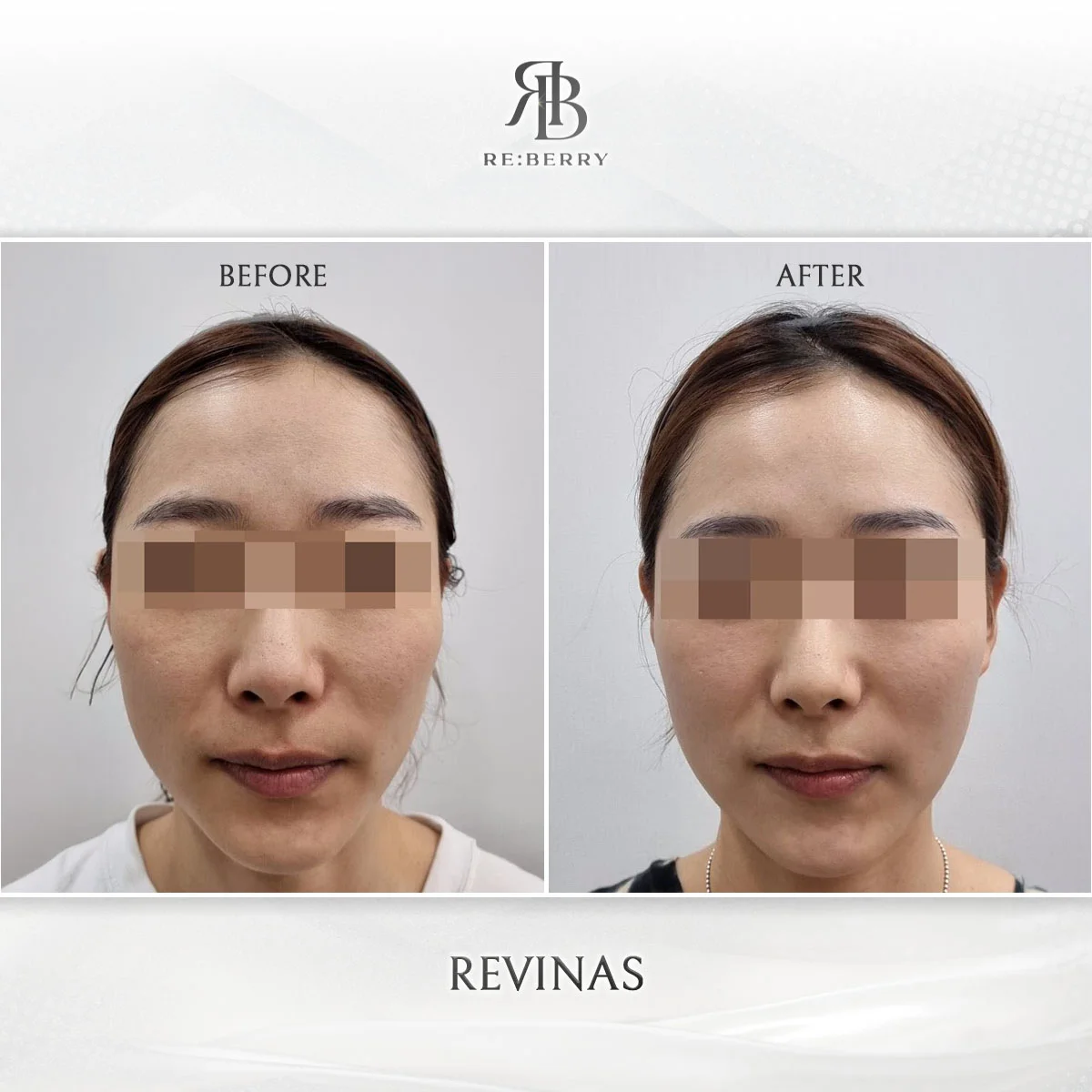
Comparing Non-Surgical Face Lift Technologies
The non-surgical face lifting landscape includes four primary technology categories: focused ultrasound, radiofrequency, microfocused ultrasound with synchronized cooling, and absorbable thread lifting. Each addresses facial sagging through a fundamentally different mechanism, producing distinct results in terms of lifting degree, treatment comfort, downtime, and longevity. Choosing the right option requires understanding these differences objectively.
This comparison covers Ultherapy (focused ultrasound), Thermage FLX (monopolar radiofrequency), Sofwave (SUPERB technology), and PDO/PLLA thread lifting. These represent the most commonly performed non-surgical face lifting procedures in Gangnam clinics as of 2026, each with substantial clinical evidence supporting their efficacy.
Ultherapy vs Thermage FLX: Deep Lifting Comparison
Mechanism and Depth
Ultherapy uses micro-focused ultrasound to create thermal coagulation points at 3 precise depths: 1.5mm, 3.0mm, and 4.5mm. The deepest setting reaches the SMAS (superficial musculoaponeurotic system), the same tissue layer addressed in surgical facelifts. Treatment involves 300-800 shots depending on the area, with each pulse delivering focused energy at 60-70 degrees Celsius.
Thermage FLX delivers monopolar radiofrequency energy across a broader tissue volume at 2-4mm depth. Rather than creating discrete coagulation points, it heats collagen fibers uniformly, causing immediate contraction followed by gradual neocollagenesis over 2-6 months. A standard full-face treatment requires 600-900 pulses and takes approximately 45-60 minutes.
Results and Longevity
Clinical studies show Ultherapy achieves measurable brow elevation of 1.5-2mm and jawline improvement visible in 85% of patients at 6 months. Peak results appear at 3-6 months as new collagen matures. Thermage FLX demonstrates skin tightening in 87% of patients, with improvements continuing for up to 6 months post-treatment. Ultherapy results typically last 12-18 months, while Thermage effects persist 12-24 months. Alam M et al. JAMA Dermatol. 2018;154(8):935-942. doi:10.1001/jamadermatol.2018.0738
Sofwave: The Minimal-Downtime Alternative
Sofwave uses Synchronous Ultrasound Parallel Beam (SUPERB) technology to treat at a fixed depth of 1.5mm in the mid-dermis. Unlike Ultherapy, it does not reach the SMAS layer. Its integrated cooling system maintains the epidermis at safe temperatures while delivering thermal energy to the target zone. Treatment of the full face and neck takes 30-45 minutes with 100-300 shots.
Sofwave produces less intense lifting than Ultherapy but offers significantly lower discomfort levels, with 92% of patients rating pain below 4 on a 10-point scale compared to Ultherapy's average score of 6-7. Results appear within 4-12 weeks and last approximately 12 months. Sofwave is best suited for patients aged 30-50 with mild to moderate skin laxity who prioritize comfort and zero downtime over maximum lifting intensity.
Thread Lifting: Mechanical vs Energy-Based Approach
Thread lifting fundamentally differs from energy-based devices by providing immediate mechanical repositioning of sagging tissue. Absorbable threads made of PDO, PLLA, or PCL are inserted beneath the skin using fine cannulas and anchored to lift the midface, jowls, or neck. Results are visible immediately upon completion, with continued improvement over 2-3 months as collagen forms around the threads.
Thread lifting involves 5-15 threads per side depending on the area and desired lift. The procedure takes 30-60 minutes under local anesthesia. Downtime is 3-7 days with restrictions on wide mouth opening and sleeping position for 2 weeks. Results last 12-18 months before the threads fully absorb. Thread lifting is particularly effective for patients with moderate jowling who want immediate visible improvement rather than gradual collagen-based tightening.
Choosing the Right Face Lifting Treatment
For mild laxity in patients under 45, Sofwave provides effective tightening with virtually no downtime. Moderate laxity responds well to Ultherapy or Thermage FLX, with choice depending on comfort tolerance and target depth preference. Significant jowling or midface descent benefits most from thread lifting alone or combined with energy-based treatments. RE:BERRY Gangnam Aesthetic Medicine Specialist Yoon-Gon Ryu frequently recommends combination protocols pairing energy devices with threads for comprehensive multi-layer results.
Cost varies substantially: Sofwave 100 shots starts at ₩990,000 ($740 USD), Ultherapy Prime at ₩490,000 per 100 shots ($367 USD), Thermage 600 shots at ₩1,990,000 ($1,490 USD), and thread lifting at ₩200,000 per line ($150 USD). Multi-treatment packages combining 2-3 technologies often provide superior results to any single modality at a comparable total investment.